







What "Slayr Drum Kit" Actually Means
If you're looking for a "Slayr" drum kit, that's a common misspelling — there's no product literally named that. What you're after is Slayer, the thrash metal band, and the tight, dry, aggressive kit sound behind records like Reign in Blood and South of Heaven.
We don't sell a preset officially licensed as "Slayer," but Superior Drummer 3 has a genre-accurate way to build that exact tone from what we do sell — and that's what this guide covers: how the sound is built, which kit in our catalog gets you closest, and what to do if thrash isn't quite your target either.
What actually defines Slayer's drum sound?
Strip away the artist name and what's left is a production target you can dial in on any kit: extreme tempo, tight low-ambience drums, and cymbals cut to survive under distorted guitars. Thrash tracks commonly sit in the 180-220+ BPM range, with verse/chorus sections running fast alternating kick patterns and blast-adjacent double bass fills rather than constant blasting — the speed is real, but it's phrased in bursts, not a flat wall.
- Toms: tuned high and tight, with fast decay so fills stay articulate at speed instead of blurring into a low rumble.
- Snare: dry and cracky, minimal room reflection — the attack transient dominates over any tail, which is what reads as "aggressive" rather than "live-room."
- Cymbals: mixed forward and bright enough to cut through heavily distorted, mid-scooped guitar tones without disappearing into the wall of gain.
- Kick: fast attack, controlled sustain, tuned for audible note definition at 200+ BPM rather than boom.
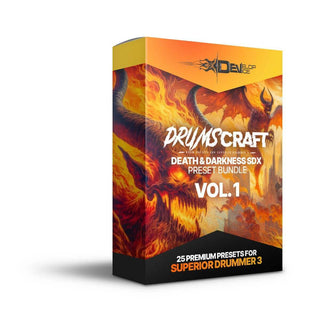
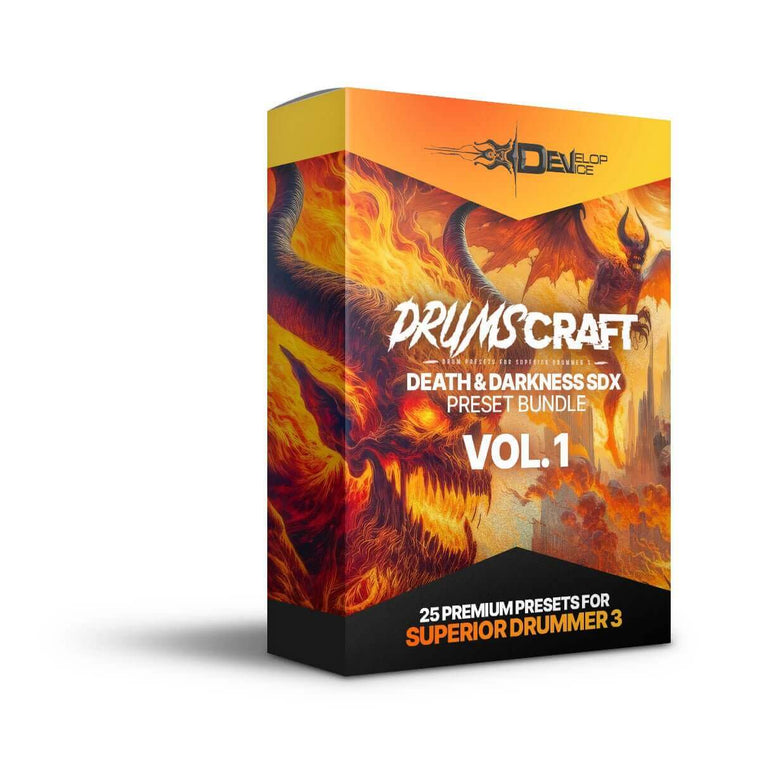
These are audible, checkable traits — tempo and pattern density you can count, tuning and decay you can hear on a spectrum analyzer, room content you can see in a waveform's tail. That's a different claim than "this preset is licensed Slayer gear," which nobody selling third-party SD3 content can verify or should assert. Chase the target: fast, dry, tight, cutting. If you're building this from scratch in Superior Drummer 3, our Superior Drummer 3 Preset Bundle for Death & Darkness SDX starts from tightly-tuned, dry-mixed thrash/death kits built on this exact profile.
Which Kit Gets You Slayer's Sound?
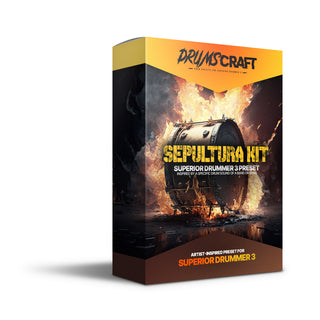
Yes — the Slayer Kit: Superior Drummer 3 Preset is built specifically for this: tight tom decay, an aggressive, high-headroom snare, and a dry mix balance tuned for palm-muted thrash riffing, modeled directly on the attack behind records like Reign in Blood and South of Heaven.
If you want a close alternative with a slightly different character, the Pantera Kit: Superior Drummer 3 Preset shares the same thrash/groove-metal DNA but is tuned for Pantera's mid-tempo groove pocket rather than Slayer's faster, tighter attack. Three adjustments close most of that gap if you go that route:
- Tuning: raise the rack and floor tom pitch 1-2 semitones — Slayer's toms sit higher and shorter than Pantera's lower, sustained groove toms.
- Mic blend: pull back room/overhead mic level and push close mics forward for a drier, more upfront mix.
- Snare sample: swap to a higher-tuned, more cracking snare sample, or raise snare tuning and shorten the gate/decay.
For the fastest route to an accurate thrash tone with none of that manual work, the dedicated Slayer Kit above is the direct match. For our full lineup of named-artist metal presets, keep reading below.
How do our metal artist SD3 presets compare on tempo, tuning, and price?
All five kits below are priced identically and cover different corners of "metal," so tempo range and tuning character matter more than genre labels when you're picking one. Here's the breakdown:
| Kit | Genre / subgenre | Tempo range | Tuning character | Snare |
|---|---|---|---|---|
| Pantera Kit | Groove metal / thrash-adjacent | ~90-160 BPM | High, tight, cracking | Piccolo-style, high-pitched |
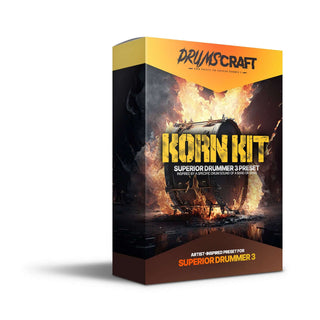
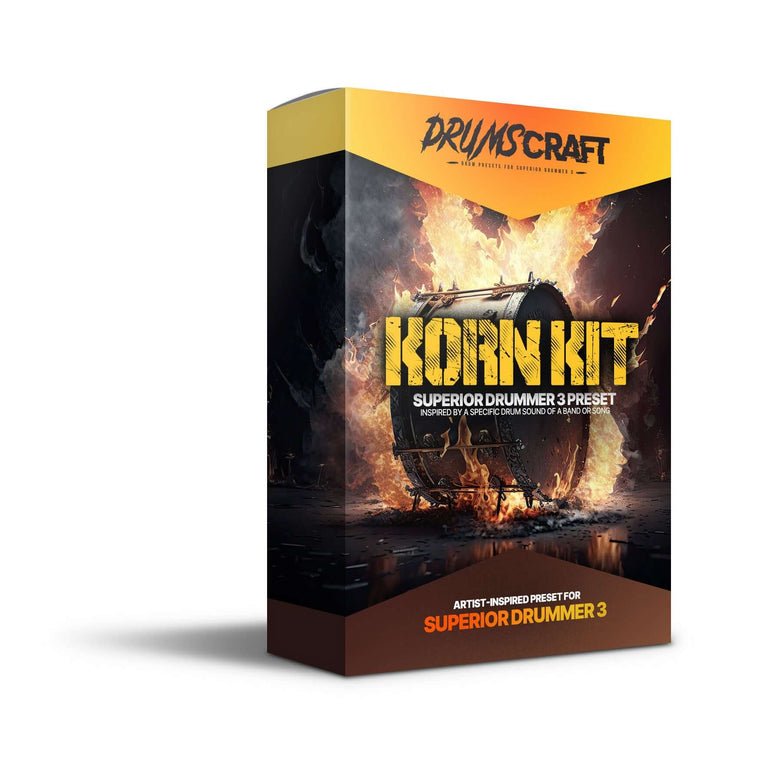
| Korn Kit | Nu-metal | ~80-110 BPM | Low, deep, detuned | Deep, thick body |
| Gojira Kit | Progressive/death metal | ~90-180 BPM | Low-mid, controlled attack | Mid-tuned, punchy |
| Deftones Kit | Alternative metal | ~80-140 BPM | Mid, warm, roomy | Mid-tuned, natural |
| Modern Metalcore Kit | Metalcore / djent | ~100-200 BPM | High-tight kick/snare, scooped toms | Tight, clicky, high-tuned |
If you're chasing a Slayer-style thrash tone, the Pantera Kit is the closest match here on tuning alone — high, tight, aggressive snare crack over a fast, dry attack, which lines up with '80s thrash more than any nu-metal or djent preset in this list. The Korn Kit sits at the opposite end: slower tempos, detuned low toms, and a thick snare built for groove, not speed. The Modern Metalcore Kit covers the djent/metalcore side with its higher tempo ceiling and scooped, tight low end. None of these are literal Slayer presets — see the earlier section for that distinction — but tempo and tuning tell you which one gets you closest before you touch a single knob.
Which kit fits metalcore and deathcore searches instead?
If the search was "metalcore drum kit," "deathcore drum kit," or "bmth drum kit," Slayer's catalog is the wrong shelf. Thrash lives in a looser, more room-driven feel built for 4/4 and 6/8 groove at moderate-to-fast tempos; metalcore and deathcore live in the triggered, sample-replaced world built for tight blast beats, double-kick bursts, and breakdown snap. Two presets in our catalog target that world directly.
- Modern Metalcore Kit is voiced for the tighter, gated attack and consistent trigger response that modern metalcore and deathcore productions expect — built for higher-tempo blasting and rapid kick patterns rather than mid-tempo groove.
- I Prevail Kit targets the more melodic, radio-adjacent side of metalcore, with a cleaner, punchier balance suited to bands closer to Bring Me the Horizon's post-2015 sound than to Slayer's raw thrash attack.
The genre split matters because the production goal is different, not just the tempo. Slayer's kit reads as a drummer hitting a real kit in a room — cymbals bleed, snare has natural decay, and the mix leaves texture in. Metalcore and deathcore presets are built around sample-heavy, triggered consistency: every hit lands identically so it sits under palm-muted riffs and blasts without smearing. If you came here searching "bmth drum kit" or "deathcore drum kit," you want that triggered clarity, not thrash's organic character — Modern Metalcore Kit is the closer match.
Want programmed thrash drums instead of a mixed preset? What's in the MIDI pack?
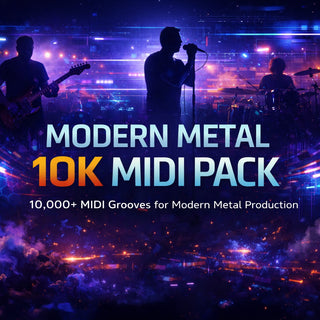
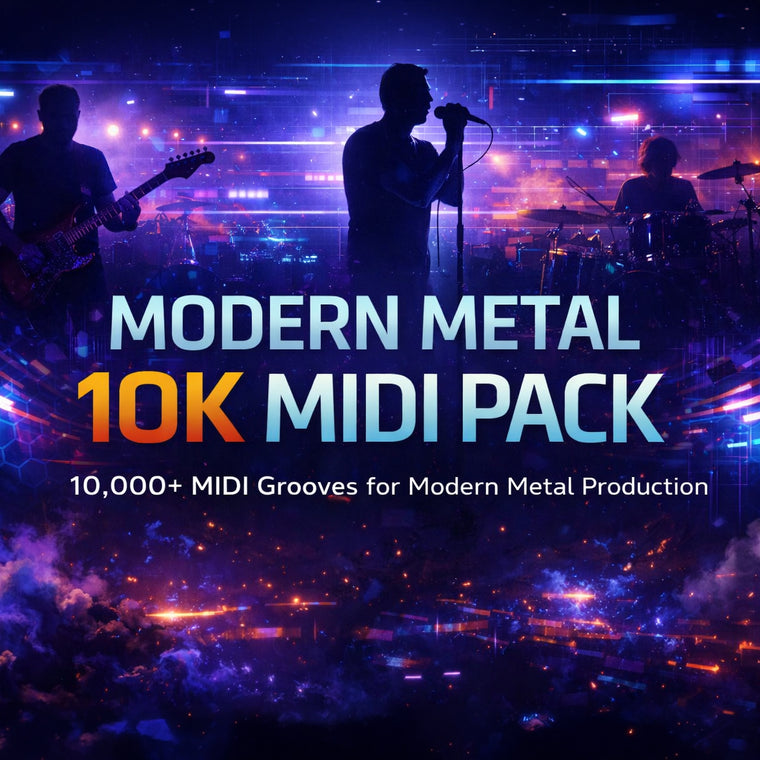
A fixed preset gives you a mixed, tuned kit but locks you into someone else's pattern choices — fine for a quick track, limiting if you're writing original thrash riffs that need double bass runs and blast fills matched to your own tempo and arrangement. The Modern Metal: 10K Drum MIDI Pack takes the opposite approach: 10,000 MIDI patterns you drop onto your own SD3 or EZdrummer kit and mix yourself.
For a "slayr midi kit" search, the relevant part of that 10K count is tempo and genre coverage: patterns built around modern metal grooves, double bass patterns, and blast-beat variations that sit in the thrash range rather than only slower rock tempos. That's what makes it usable for Slayer-style writing — you're not hunting for one usable groove buried in a generic pack, you're pulling from a set specifically weighted toward extreme-metal drumming.
- Format: standard MIDI files, drag-and-drop compatible with Superior Drummer 3 and EZdrummer — no proprietary player or plugin required.
- Workflow: patterns import directly into your DAW's MIDI track, so you can edit, chop, and rearrange hits instead of accepting a fixed mixed-audio performance.
- Kit-agnostic: because it's MIDI, not audio, the same patterns work whether you're triggering a Slayer-style SD3 preset, a different metal kit, or a sample library entirely.
The trade-off versus a fixed preset like the Pantera Kit: Superior Drummer 3 Preset is time: a preset is mix-ready in minutes, while a MIDI pack still needs you to pick a kit, tune it, and mix it. What you get back is control over every note.
How do you stop programmed thrash MIDI from sounding robotic?
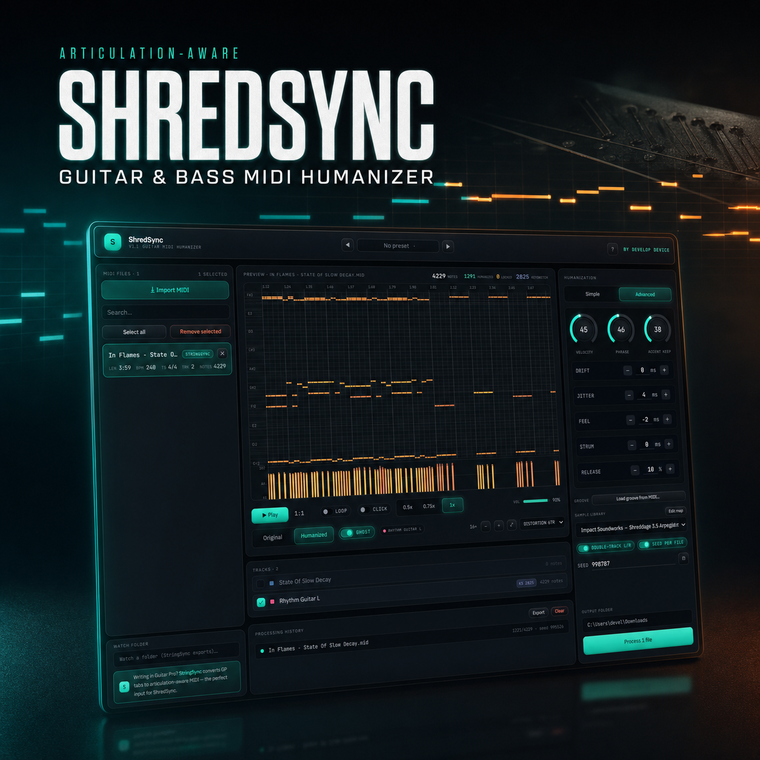
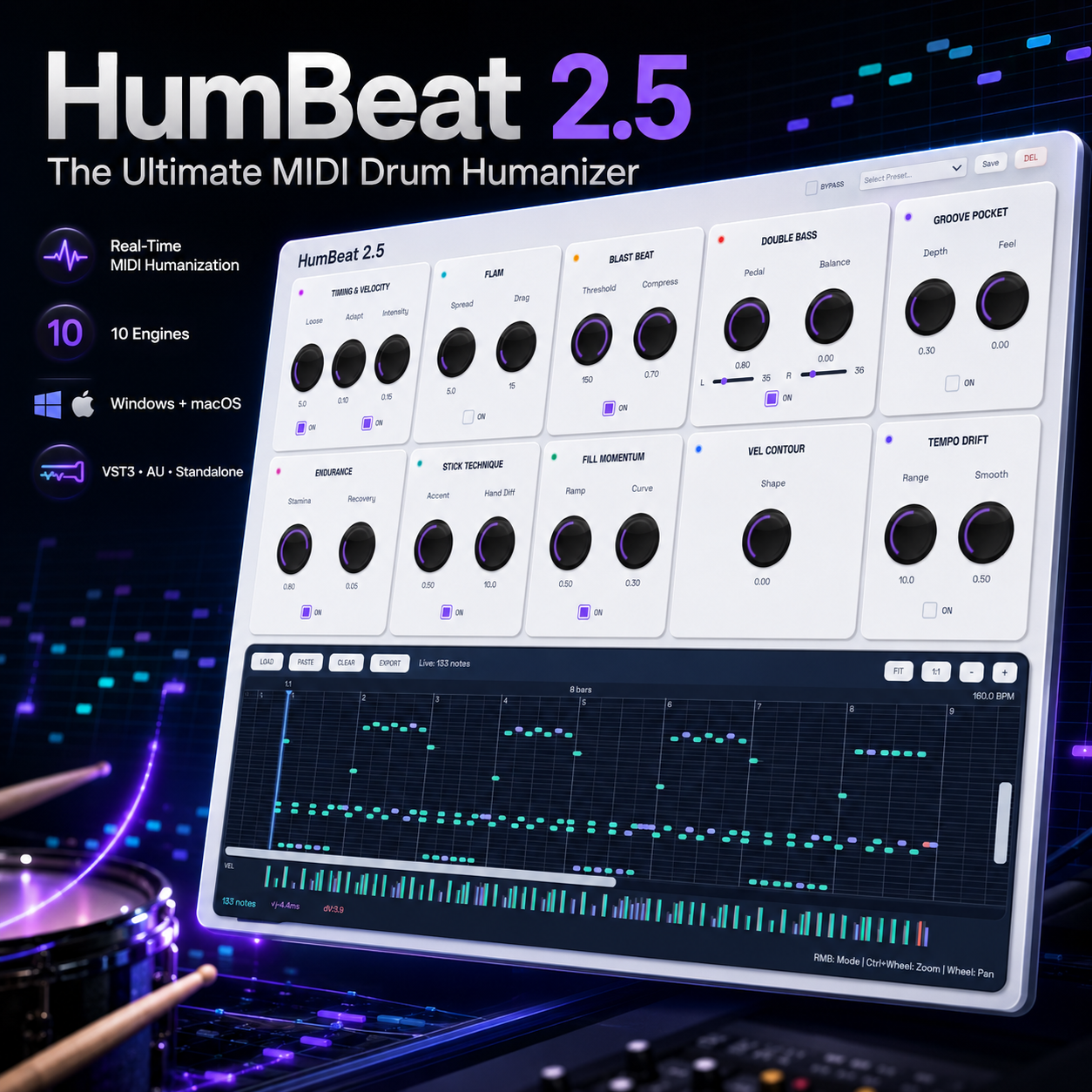
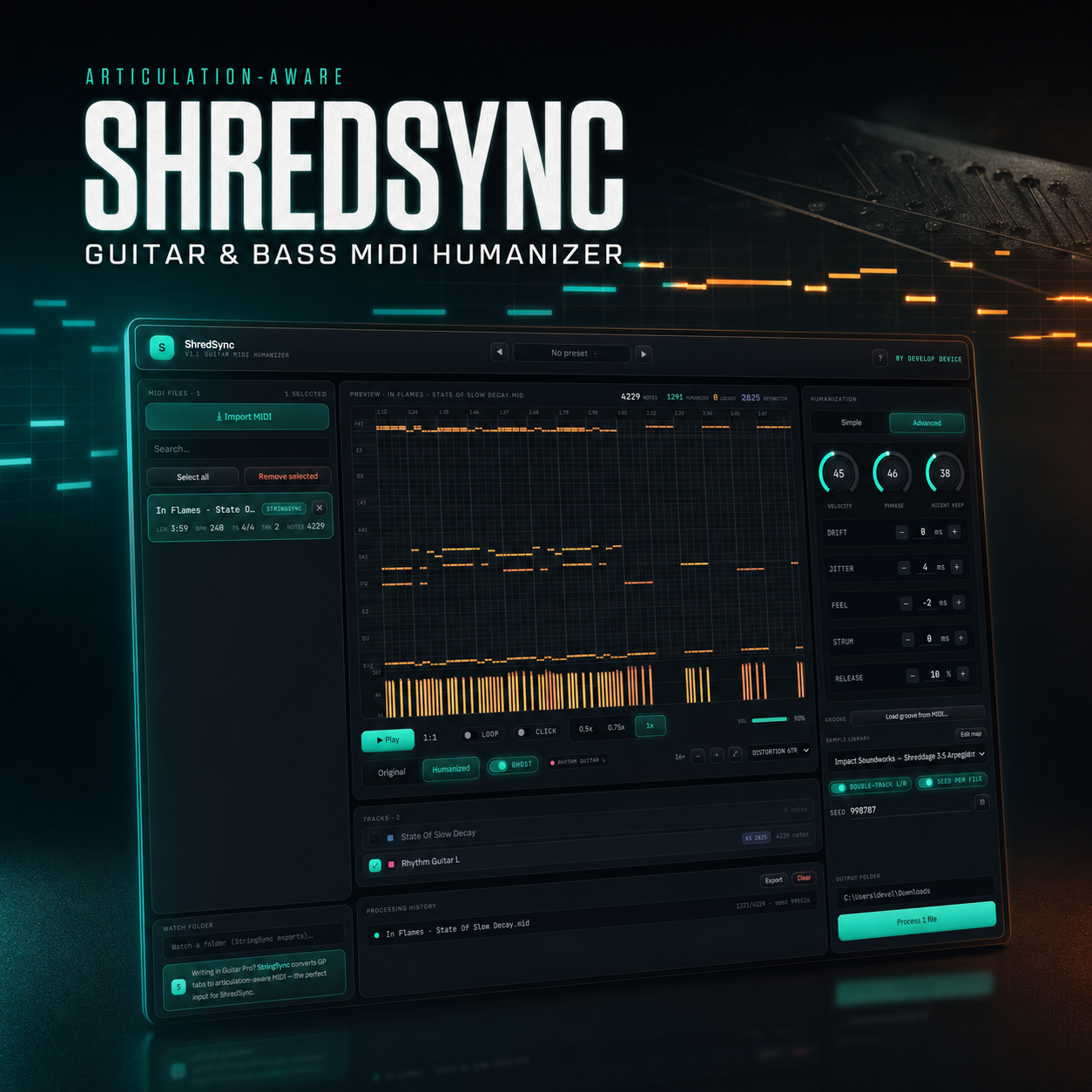
Quantized MIDI is most exposed on fast, repetitive patterns — a 190+ BPM thrash double-bass sixteenth-note run repeats the exact same velocity and timing hundreds of times per verse, and the ear catches that machine-gun sameness far faster than it would on a slower rock groove where the pattern varies naturally every bar. The fix is HumBeat 2: The Ultimate MIDI Drum Humanizer, which processes an existing MIDI file and varies three things a programmer would otherwise have to fake by hand: velocity (so hits aren't identical), micro-timing (small push/pull around the grid instead of dead-on placement), and ghost notes (low-velocity snare/hat hits inserted between the main pattern to mimic a drummer's fills between accents).
Concrete before/after: take a raw double-bass pattern from Modern Metal: 10K Drum MIDI Pack at 200 BPM — straight sixteenths, every kick hit at velocity 100, every snare on the 2 and 4 at identical velocity. Loaded into SD3 as-is, it reads as a drum machine because:
- Every kick triggers the same sample layer, so tone doesn't shift with intensity the way a human's foot would under fatigue.
- Snare accents land with zero deviation, removing the rush/drag feel that defines a real thrash pocket.
- No ghost notes exist between snare hits, so the groove has no texture underneath the pattern.
Run the same file through HumBeat 2 and reload it: kick velocities spread across a range instead of flatlining, snare timing shifts by small amounts bar to bar, and ghost notes appear between the main hits. The pattern and tempo don't change — only the human inconsistency a programmer would otherwise spend hours hand-automating in the piano roll.
Prefer a Different Artist's Sound Instead?
Slayer's thrash attack isn't the only named-artist tone we cover — we build genre-accurate SD3/GGD presets across thrash, alternative metal, progressive, and djent. If Slayer isn't quite what's in your headphones, one of these might be closer:
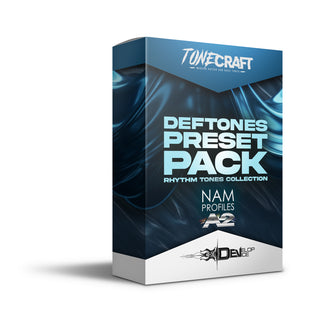
- Deftones Kit: Superior Drummer 3 Preset — alternative metal groove and space
- Dream Theater Kit: Superior Drummer 3 Preset — progressive metal precision
- Sleep Token Kit II: Superior Drummer 3 Preset — atmospheric/djent-adjacent tone
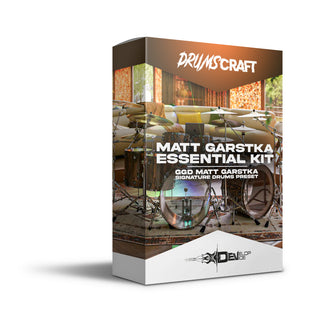
- Matt Garstka Essential Kit: GGD Matt Garstka Signature Drums Preset — technical djent chops
Any of these swaps directly into the workflow below — same SD3 engine, same tuning process, different starting character.
Which format should you buy: fixed preset, MIDI pack, or All-Access Pass?
Match the format to what's already on your session, not to whichever sounds most complete.
- Single artist preset — buy this if you already own the underlying SDX/EZX and just need a mixed, tuned starting point. It's the cheapest entry and the fastest to load, but it's locked to that expansion's samples.
- 10K MIDI Pack — buy this if you need raw thrash patterns to route into whatever kit or DAW you're on. No mixing decisions are made for you, and nothing is tied to a specific SDX; you supply the drum engine and the tone. See the Modern Metal: 10K Drum MIDI Pack for the pattern-only route.
- All-Access Pass — buy this only once you're past 3+ presets or packs. The math is plain: 299 / 9.9 ≈ 30 single-artist kits, so the Pass only pays off if your library genuinely needs that range across metal, metalcore, and progressive kits. Below that count, stacking individual presets is cheaper.
Practically: one thrash session on an SDX you own → single preset. Building programmed drums for multiple tracks or DAWs → MIDI pack. Assembling a rotating library across artist kits → All-Access Pass: Annual membership, and only past the breakeven point above.



Leave a comment
All comments are moderated before being published.
This site is protected by hCaptcha and the hCaptcha Privacy Policy and Terms of Service apply.