




Choosing the right guitar amp modeler can make or break your tone — whether you're recording in a professional studio, performing on massive stages, or crafting sounds in your bedroom. The market exploded in 2025 and early 2026 with blockbuster new releases — Fractal's budget-friendly AM4, Neural DSP's Quad Cortex Mini, Kemper's MK 2 overhaul, and Line 6's next-gen Helix Stadium series. Modelers even outsold traditional guitar amps on Reverb in 2025.
In this comprehensive guide, we compare every major guitar amp modeler on the market in February 2026, break down their strengths and weaknesses, and help you find the perfect match for your playing style, budget, and workflow. We've spent years creating professional presets for these units, so we know them inside and out.
What Is a Guitar Amp Modeler?
A guitar amp modeler is a digital device (or software) that uses advanced algorithms to recreate the sound and feel of real tube amplifiers, speaker cabinets, and effects pedals. Modern modelers have reached a point where even seasoned professionals can't reliably distinguish them from the real thing in blind tests.
The technology has branched into three main approaches:
- Component-level modeling (Fractal Audio, Line 6) — mathematically simulates every circuit component
- Profiling/Capturing (Kemper, Neural DSP) — takes a "sonic snapshot" of a real amp
- Hybrid approaches — many modern units now combine both methods
The Top Guitar Amp Modelers in 2026: Complete Comparison
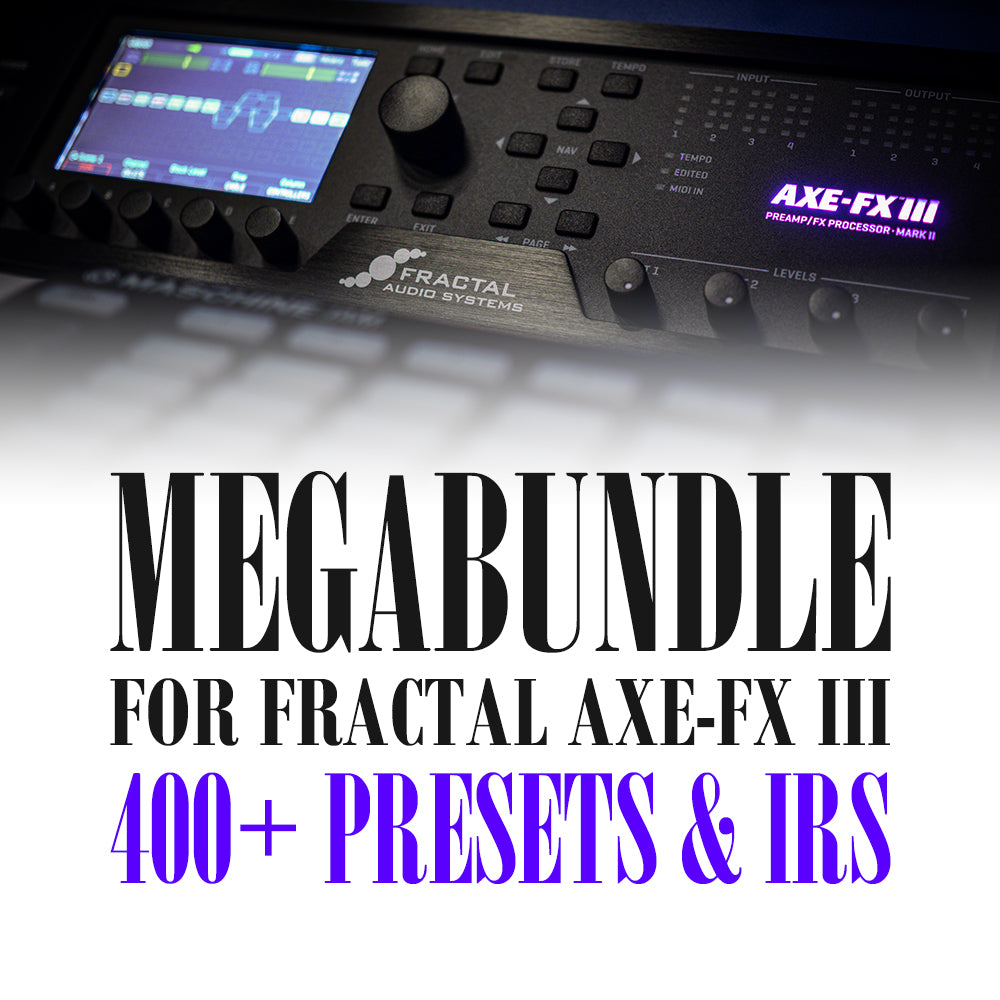
1. Fractal Audio Axe-Fx III — The Studio King
Price: $2,499 | Best for: Studio recording, touring professionals, tone perfectionists
The Fractal Audio Axe-Fx III remains the gold standard for amp modeling in 2026. Its dual-DSP architecture delivers unmatched processing power, and the sheer depth of its amp models is staggering. Every parameter you could imagine tweaking on a real amp — bias, sag, transformer characteristics, power tube type — is available and accurately modeled via the renowned Cygnus X-3 amp modeling engine.
Key strengths:
- Over 280 amp models with component-level accuracy (Cygnus X-3 engine)
- Industry-leading effects (reverbs, delays, pitch shifting)
- Dual signal paths for complex routing
- DynaCab technology for dynamic speaker simulation
- Regular firmware updates adding new models and features
- USB audio interface built in (great for direct recording)
Key weaknesses:
- Steep learning curve — the Axe-Edit software can be overwhelming
- Rack-mount format isn't ideal for pedalboard setups
- Premium price point — though the new AM4 offers a budget alternative
Who should buy it: If you want the absolute best amp modeling available and don't mind investing time to learn the system, the Axe-Fx III is unbeatable. It's the choice of artists like Periphery, Architects, Tosin Abasi, and countless studio engineers.
👉 Browse our 84+ professional Fractal Audio presets — ready-to-use tones for metal, rock, clean, and everything in between.
2. Fractal Audio FM9 & FM3 — Axe-Fx Power on the Floor
Price: FM9 ~$1,999 | FM3 ~$999 | Best for: Gigging musicians who want Fractal quality in a pedalboard
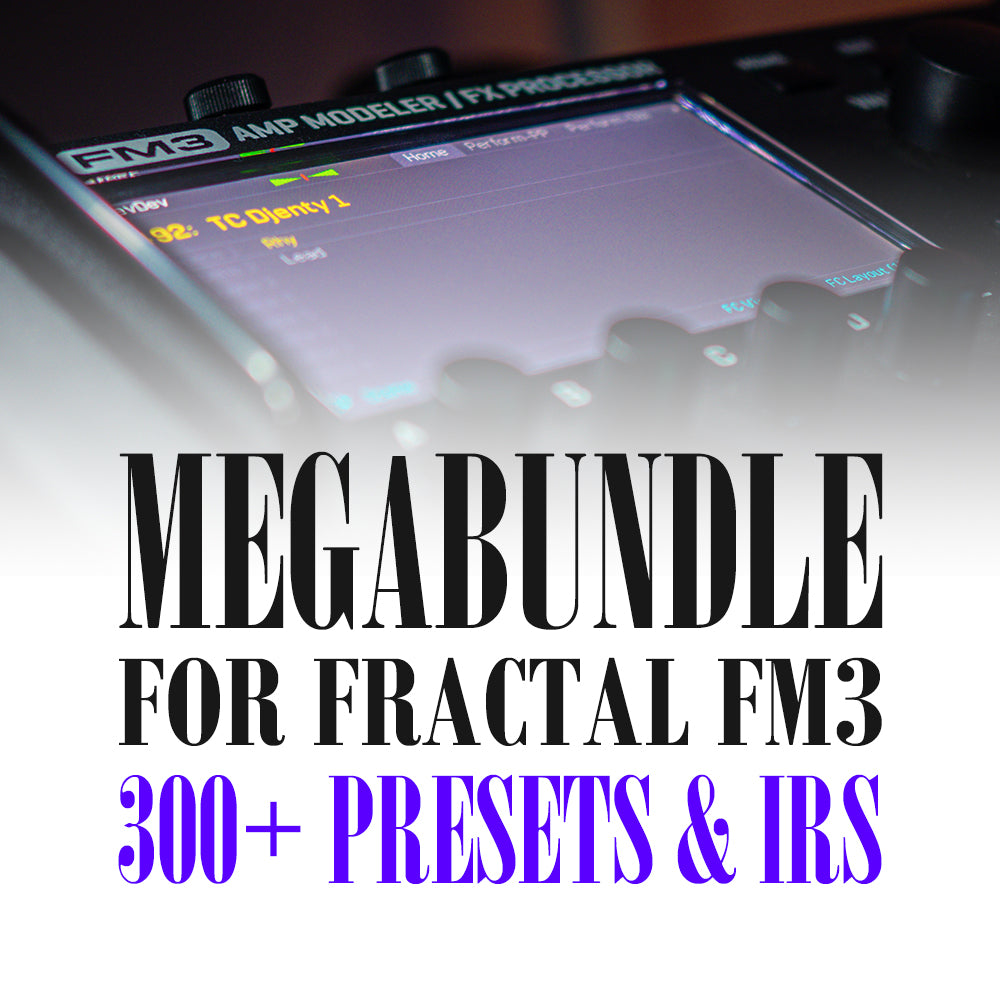
The FM9 and FM3 bring Fractal Audio's legendary Cygnus X-3 modeling into floor-based formats. The FM9 offers nearly identical sound quality to the Axe-Fx III with a built-in foot controller, while the FM3 provides the same core modeling in a more compact and affordable package.
FM9 highlights: Same amp modeling engine as Axe-Fx III, integrated expression pedal and footswitches, 3 fewer DSP blocks. Perfect for touring musicians who need one unit that does everything.
FM3 highlights: Identical amp models but with fewer simultaneous effects blocks. Still sounds phenomenal — just less routing flexibility.
All our Fractal Audio presets are compatible across the entire Fractal ecosystem (Axe-Fx III, FM9, FM3).
3. Fractal Audio AM4 — Flagship Sound, Compact Format 🆕
Price: $699 | Best for: Players who want Fractal's legendary tone without the learning curve or price tag
Released in November 2025, the AM4 is Fractal Audio's most accessible unit ever — and it's been flying off the shelves (frequently sold out). It runs the same Cygnus X-3 amp modeling and DynaCab technology as the Axe-Fx III, packed into a compact stompbox format.
Key strengths:
- Same Cygnus X-3 modeling engine as the Axe-Fx III — identical amp tone quality
- 240+ amp models, 45+ DynaCabs, 325+ effects, 75+ drive pedal models
- Gapless switching between up to 4 channels per amp block
- Stereo effects loop, SPDIF I/O, USB-C, expression pedal inputs
- Rugged brushed-aluminum chassis built for gigging
- Incredible value at $699
Key weaknesses:
- Limited to 4 effect blocks per preset (vs. unlimited on Axe-Fx III)
- 104 preset slots — enough for most players, but power users may want more
- Small screen — deep editing is easier in the desktop editor
- Frequently sold out due to high demand
Who should buy it: If you've always dreamed of Fractal tone but the Axe-Fx III's price and complexity scared you off, the AM4 is your answer. It's also a perfect backup unit for Axe-Fx III users.
4. Neural DSP Quad Cortex — The Modern Powerhouse
Price: $1,799 | Best for: Players who want cutting-edge capture technology and a sleek interface
The Quad Cortex has taken the guitar world by storm since its release. Its Neural Capture V2 technology can clone the sound of any real amp, pedal, or signal chain with remarkable accuracy. The 7" touchscreen interface makes it the most user-friendly flagship modeler available.
Key strengths:
- Neural Capture V1 & V2 — capture any real amp, drive, fuzz, or compressor
- Intuitive 7" touchscreen interface
- Cortex Cloud: thousands of shared captures and presets
- Quad-core SHARC processor architecture
- 90+ amp models, 100+ effects
- 16-channel USB-C audio interface
- Desktop editor and mobile app
Key weaknesses:
- Amp model library is smaller than Fractal or Kemper (quality over quantity)
- Some advanced routing scenarios aren't possible
- Higher latency than Axe-Fx III in some configurations
Who should buy it: If you love the idea of capturing your own amps or downloading community captures, and you value an intuitive interface, the Quad Cortex is outstanding. It was the #1 best-selling modeler on Reverb in 2025.
👉 Explore our Quad Cortex captures & presets (19+ packs) — from brutal modern metal to sparkling cleans.
5. Neural DSP Quad Cortex Mini — Full QC Power, Half the Size 🆕
Price: $1,399 / €1,299 | Best for: Pedalboard integration, compact touring rigs, studio desktops
Unveiled at NAMM 2026 (January 2026), the Quad Cortex Mini delivers the full Quad Cortex experience — same processing power, same audio quality, same Neural Capture technology, same CorOS software — in a unit that's over 50% smaller. At 8.9" × 4.6" × 2.5" and just 3.3 lbs, it fits on any pedalboard.
Key strengths:
- Identical sound engine and processing power to the full Quad Cortex
- Neural Capture V1 & V2 (with dedicated capture input)
- Full 7" touchscreen with 4 multi-function footswitches/rotary encoders
- 90+ amps, 100+ effects, 1000+ IRs, 2000+ captures included
- 16-channel USB-C audio interface
- XLR + jack outputs, stereo send/return, MIDI, headphone out
- $400 cheaper than the full Quad Cortex
Key weaknesses:
- Only 4 footswitches (vs. 8 on the full QC) — less live control
- No built-in expression pedal (external required)
- Brand new — CorOS updates may take time to optimize for the mini
Who should buy it: If you want the Quad Cortex's sound and capture technology but need something smaller for your pedalboard or desktop, the Mini is a no-brainer. It's also great as a studio unit where footswitches matter less.
👉 Our Quad Cortex presets are fully compatible with the QC Mini
6. Neural DSP Nano Cortex — Capture Technology in a Stompbox
Price: $569 | Best for: Budget-conscious players who want Neural Capture tone
The Nano Cortex packs Neural DSP's capture technology into a tiny, affordable stompbox. It's not a full modeler — think of it as a capture player with basic tone shaping — but the core tone quality is derived from the same technology as the Quad Cortex. It works beautifully as an "amp in a box" on existing pedalboards.
Key difference from QC Mini: The Nano Cortex plays captured amp tones (snapshots with settings baked in), while the QC Mini gives you full modeled amps with tweakable parameters plus capture capability.
👉 Read our detailed Quad Cortex vs. Nano Cortex breakdown
7. Kemper Profiler MK 2 — The Legend Reborn 🆕
Price: Stage MK 2 ~$1,999 | Head/Rack MK 2 ~$1,798 | Player ~$699 | Best for: Players who want authentic recreations of specific real amps
In 2025, Kemper launched the Profiler MK 2 Series — a top-to-bottom overhaul of their entire lineup (Head, Rack, Stage, Player, and powered versions). This isn't a minor refresh; it's a substantial upgrade with more processing power, more effects, and a new profiling engine.
What's new in MK 2:
- 20 simultaneous effect blocks (7 more than original) — Palm Ninja gate, Compressor, Pure Booster, WahWah, Vintage Chorus, Air Chorus, Double Tracker
- Advanced Liquid Profiling — integrates the original amp's gain and tone controls, turning a profile into a fully dynamic amplifier
- New profiling engine — 100,000+ frequency points analyzed for more precise amp recreation
- 8-channel USB audio interface — seamless DAW integration on macOS, iOS, and Windows
- 2-minute looper (doubled from original)
- Faster boot times (~20 seconds), lighter weight, improved display
Key strengths (carrying over):
- Enormous library of profiles — hundreds of thousands from real amps worldwide
- Multiple form factors: rack, powered head, stage, player
- Powered versions can drive real speaker cabinets directly
- Battle-tested touring reliability
Key weaknesses:
- Effects quality, while improved, still trails Fractal and Line 6's latest offerings
- Interface design is functional but not as modern as Quad Cortex or Helix Stadium
- Kemper Player remains limited in routing
👉 Check out our 13 Kemper profile packs — crafted from top-tier tube amps for rock and metal.
8. Line 6 Helix Stadium & Stadium XL — The Next Generation 🆕
Price: Stadium $1,799 | Stadium XL $2,199 | Best for: Live performers, session musicians, all-genre players
Line 6 didn't just update the Helix — they launched a completely new product line. The Helix Stadium series (shipping since Fall 2025) is built on the brand-new Agoura amp modeling engine, a ground-up redesign focused on ultra-realistic, nuanced analog behavior.
Key features:
- Agoura modeling engine — next-gen amp modeling with 22 brand-new amp models (16 guitar, 6 bass)
- 8" high-resolution color touchscreen — massive upgrade from the original Helix
- Up to 48 dynamic blocks across 4 stereo signal paths (Stadium XL)
- 12 footswitches with OLED scribble strips (Stadium XL)
- Built-in treadle expression pedal (Stadium XL)
- Backward compatible with existing Helix presets and HX models
Stadium vs. Stadium XL: The standard Stadium ($1,799) is smaller and studio-friendly. The XL ($2,199) adds the expression pedal, expanded I/O (2 inputs, 4 effects loops), OLED scribble strips, and 4 drum trigger inputs — it's the ultimate flagship for touring.
Key strengths:
- Agoura engine is a massive leap in realism over the original HX modeling
- Best-in-class user interface with the new touchscreen
- Snapshots system for instant preset changes on stage
- Helix Native plugin included for DAW recording
- Backward compatible with legacy Helix ecosystem
Key weaknesses:
- Brand new — smaller community of presets compared to original Helix
- Premium pricing puts it in direct competition with Axe-Fx III and Quad Cortex
- Original Helix models still available but won't receive Agoura engine
👉 Browse our Line 6 preset collection (14 packs)
9. Line 6 Helix / Helix LT / HX Stomp — Still the Versatile Workhorse
Price: Helix Floor ~$1,499 | Helix LT ~$1,099 | HX Stomp ~$649 | Best for: All-rounders, cover bands, budget-conscious gigging musicians
The original Helix family hasn't disappeared — in fact, with the Stadium launch, prices on the classic Helix have dropped, making them even better value. The HX modeling engine still sounds fantastic, and the massive preset community means you'll never run out of tones to try.
Key strengths:
- Proven, mature platform with thousands of community presets
- Helix Native plugin for seamless studio integration
- Excellent effects — especially delays and modulation
- Snapshots system for live performance
- Price drops since Stadium launch make these excellent deals
👉 All our Line 6 presets work across the entire Helix family.
10. Boss GT-1000 / GT-1000CORE — Roland's Flagship
Price: GT-1000 ~$999 | GT-1000CORE ~$799 | Best for: Players who value reliability and Boss ecosystem
Boss brings decades of engineering expertise to the GT-1000. The AIRD (Augmented Impulse Response Dynamics) technology models how an amp interacts dynamically with a speaker, producing a very natural, responsive feel.
Key strengths:
- AIRD technology for realistic amp-speaker interaction
- Boss reliability — virtually indestructible build quality
- Built-in Bluetooth for wireless editing
- Excellent integration with Boss and Roland ecosystem
Key weaknesses:
- Amp model count and quality don't quite match the flagship competition
- The editing interface can be clunky
- Starting to feel dated compared to 2025/2026 releases
👉 Explore our Boss GT-1000 presets
11. Headrush Pedalboard / MX5
Price: Pedalboard ~$999 | MX5 ~$499 | Best for: Players who want a big touchscreen and straightforward operation
Headrush was one of the first to put a large touchscreen on a floor modeler. Running on an Eleven HD Expanded engine (derived from Avid's technology), it offers solid tones with an intuitive drag-and-drop interface.
12. HoTone Ampero / Ampero II — Budget Champion
Price: ~$299–$449 | Best for: Beginners and budget-conscious players
The Ampero series punches way above its weight class. For under $500, you get a full-featured modeler with an expression pedal, touchscreen, and surprisingly good amp models. It won't match a Fractal or Quad Cortex in absolute tone quality, but the gap is smaller than the price difference suggests.
👉 Check out our HoTone Ampero presets
Head-to-Head Comparison Table (2026)
| Feature | Axe-Fx III | AM4 | Quad Cortex | QC Mini | Kemper MK 2 | Helix Stadium XL |
|---|---|---|---|---|---|---|
| Price | $2,499 | $699 | $1,799 | $1,399 | ~$1,999 | $2,199 |
| Released | 2019 | Nov 2025 | 2021 | Jan 2026 | 2025 | Fall 2025 |
| Amp Models | 280+ | 240+ | 90+ (+ captures) | 90+ (+ captures) | Profiles (unlimited) | HX + 22 Agoura |
| Effects | ⭐⭐⭐⭐⭐ | ⭐⭐⭐⭐ | ⭐⭐⭐⭐ | ⭐⭐⭐⭐ | ⭐⭐⭐⭐ | ⭐⭐⭐⭐⭐ |
| UI / Ease of Use | ⭐⭐⭐ | ⭐⭐⭐ | ⭐⭐⭐⭐⭐ | ⭐⭐⭐⭐⭐ | ⭐⭐⭐ | ⭐⭐⭐⭐⭐ |
| Capture/Profile | No | No | Yes (V2) | Yes (V2) | Yes (Liquid) | No |
| Touchscreen | No | No | 7" | 7" | No | 8" |
| High-Gain Metal | ⭐⭐⭐⭐⭐ | ⭐⭐⭐⭐⭐ | ⭐⭐⭐⭐⭐ | ⭐⭐⭐⭐⭐ | ⭐⭐⭐⭐ | ⭐⭐⭐⭐ |
| USB Audio | Yes | Yes (USB-C) | 16-ch USB-C | 16-ch USB-C | 8-ch USB | Yes |
| Form Factor | Rack | Compact pedal | Floor | Mini floor | Multiple | Floor |
| Weight | 13 lbs | ~2 lbs | 4.4 lbs | 3.3 lbs | Varies | ~15 lbs |
Which Modeler Should You Buy? Our 2026 Recommendations
Best for Metal & Hard Rock
Winner: Fractal Audio Axe-Fx III (or FM9/FM3/AM4 for smaller formats)
The depth of Fractal's high-gain amp models is unmatched. The Mesa, Diezel, Friedman, and 5150 models are so accurate that many touring metal bands have permanently switched from real amps. With the AM4 now available at $699, you can get identical Cygnus X-3 metal tones at a fraction of the cost.
Close runner-up: Quad Cortex / QC Mini, especially if you want to capture your own amps.
Best for Studio Recording
Winner: Fractal Audio Axe-Fx III
Built-in USB audio interface, lowest latency, and the most detailed amp models make this the studio champion. Many top-tier producers use it as their primary guitar recording tool.
Runner-up: Quad Cortex Mini — its 16-channel USB-C interface and compact desktop footprint make it an excellent studio companion.
Best for Live Performance
Winner: Line 6 Helix Stadium XL
The new Agoura engine, 8" touchscreen, 48 dynamic blocks, OLED scribble strips, and built-in expression pedal make this the ultimate live rig. If budget is a concern, the original Helix Floor at its new lower price is still fantastic.
Best for Pedalboard Integration
Winner: Neural DSP Quad Cortex Mini
At 3.3 lbs and 8.9" wide with full QC processing power, the Mini fits on any pedalboard without compromise. The Fractal AM4 is also excellent here, especially at $699.
Best for Beginners
Winner: HoTone Ampero or Line 6 HX Stomp
Both are affordable, sound great out of the box, and won't overwhelm you with options. The HX Stomp has the advantage of being expandable into the larger Helix ecosystem later.
Best Value for Money (NEW for 2026)
Winner: Fractal Audio AM4 ($699)
Getting the same Cygnus X-3 modeling as the $2,499 Axe-Fx III for $699 is absurd value. The only trade-off is fewer simultaneous effects blocks. For pure amp tone quality, nothing else comes close at this price.
Runner-up: Kemper Player ($699) — great for profile playback and simple live setups.
Don't Forget: Presets Make a Huge Difference
Even the best modeler in the world won't sound great with factory presets alone. Professional presets designed by experienced sound engineers can transform your modeler from "decent" to "jaw-dropping" in seconds.
At Develop Device, we create professional, mix-ready presets for all major modelers:
- Fractal Audio presets — 84+ packs for Axe-Fx III, FM9, FM3, AM4
- Quad Cortex captures & presets — 19+ packs (compatible with QC Mini)
- Kemper profiles — 13 packs from world-class amps
- Line 6 Helix presets — 14 packs for Helix, HX Stomp, POD Go
- Cabinet IRs — 9 packs compatible with any modeler
Each preset is crafted to be mix-ready out of the box — just load, play, and record. No tweaking required.
Frequently Asked Questions
Can a guitar amp modeler really replace a tube amp?
Yes, absolutely. In 2026, flagship modelers like the Axe-Fx III, Quad Cortex, and the new Kemper MK 2 are virtually indistinguishable from real tube amps in blind listening tests — even among professional guitarists and audio engineers. Modelers outsold traditional guitar amps on Reverb in 2025, and many world-touring bands have completely made the switch.
What is the difference between amp modeling and amp profiling/capturing?
Amp modeling (Fractal Audio, Line 6, Boss) recreates circuit behavior using mathematical algorithms — you can tweak every parameter. Amp profiling (Kemper) or capturing (Neural DSP) takes a "sonic snapshot" of a real amp at specific settings. Both sound incredible. Modeling offers more tweakability, while profiling/capturing is faster for replicating a specific amp's exact tone. The Kemper MK 2's Liquid Profiling bridges the gap by adding the original amp's dynamic tone controls to profiles.
Which guitar amp modeler has the lowest latency?
The Fractal Audio Axe-Fx III consistently measures the lowest latency among hardware modelers (typically under 1ms). The Quad Cortex, Kemper, and Helix Stadium are all under 4ms — far below the ~10ms threshold where latency becomes noticeable. For practical playing, all flagship modelers have imperceptible latency.
Is the Fractal AM4 really as good as the Axe-Fx III?
For amp tone quality, yes — they run the identical Cygnus X-3 modeling engine and DynaCab technology. The AM4's limitation is in simultaneous effects (4 blocks vs. the Axe-Fx III's much larger count) and routing flexibility. If you mainly need great amp tones with essential effects, the AM4 sounds identical to the Axe-Fx III. For complex multi-effects setups, the Axe-Fx III or FM9 is still the way to go.
Should I buy the Quad Cortex or the new QC Mini?
If you need maximum footswitch control for live performance, get the full Quad Cortex ($1,799). If you want the same sound in a smaller package for pedalboard integration or studio use, the QC Mini ($1,399) is the smarter buy — identical processing, $400 less. The Mini's only real compromise is fewer footswitches.
Do professional musicians actually use amp modelers on stage?
Extensively. Metallica's touring rig includes Fractal Audio units. Periphery, Architects, and Polyphia all use Fractal products. Many Nashville session players rely on Kempers. Muse, John Petrucci, and Tosin Abasi have all used modelers live. The stigma around "digital" guitar tone is completely gone in the professional world.
Can I use amp modeler presets from one brand on another?
No — presets are not cross-compatible between brands. A Fractal preset won't work on a Quad Cortex. However, cabinet impulse responses (IRs) are universal and can be loaded into any modeler that supports third-party IRs. Our Cabinet IR packs work with every modeler in this guide.
What's new in the Kemper MK 2 compared to the original?
The MK 2 adds 7 extra effect blocks (20 total), an upgraded profiling engine with 100,000+ frequency points, Liquid Profiling for dynamic tone controls, an 8-channel USB audio interface, a 2-minute looper, faster boot times, reduced weight, and an improved display. It's available across all form factors — Head, Rack, Stage, Player, and powered versions.
Final Verdict
2025–2026 has been the most exciting period in guitar modeling history. With the Fractal AM4 democratizing flagship tone at $699, the Quad Cortex Mini shrinking Neural DSP's powerhouse, Kemper's massive MK 2 overhaul, and Line 6's next-gen Helix Stadium, there has never been a better time to go digital.
There is no single "best" guitar amp modeler — the right choice depends on your priorities:
- Absolute best tone & tweakability: Fractal Audio Axe-Fx III ($2,499)
- Best all-around package: Neural DSP Quad Cortex ($1,799)
- Best new release: Line 6 Helix Stadium XL ($2,199)
- Best compact powerhouse: Neural DSP Quad Cortex Mini ($1,399)
- Best value: Fractal Audio AM4 ($699)
- Largest tone library: Kemper Profiler MK 2 (~$1,999)
- Best budget option: HoTone Ampero ($299) or Line 6 HX Stomp ($649)
Whichever modeler you choose, professional presets will get you to great tone faster than hours of manual tweaking. Browse our entire preset catalog and find the perfect sounds for your rig.
Related Articles
- Axe-Fx III vs Kemper vs Quad Cortex: Which is Best for Metal in 2026?
- Fractal Audio Axe-FX III vs. Neural DSP Quad Cortex
- Fractal Faceoff: Axe-Fx III vs. FM9 vs. FM3
- Quad Cortex vs. Nano Cortex: Detailed Breakdown
- Line 6 Helix Stadium: The Next Evolution
- The Ultimate Guide to an Analog/Digital Hybrid Guitar Rig



Leave a comment
All comments are moderated before being published.
This site is protected by hCaptcha and the hCaptcha Privacy Policy and Terms of Service apply.